
 Svenska
Cart
Your cart is empty, but doesn't have to be..
Your cart is empty, but doesn't have to be..
Care Of Skin |12/07, 2026
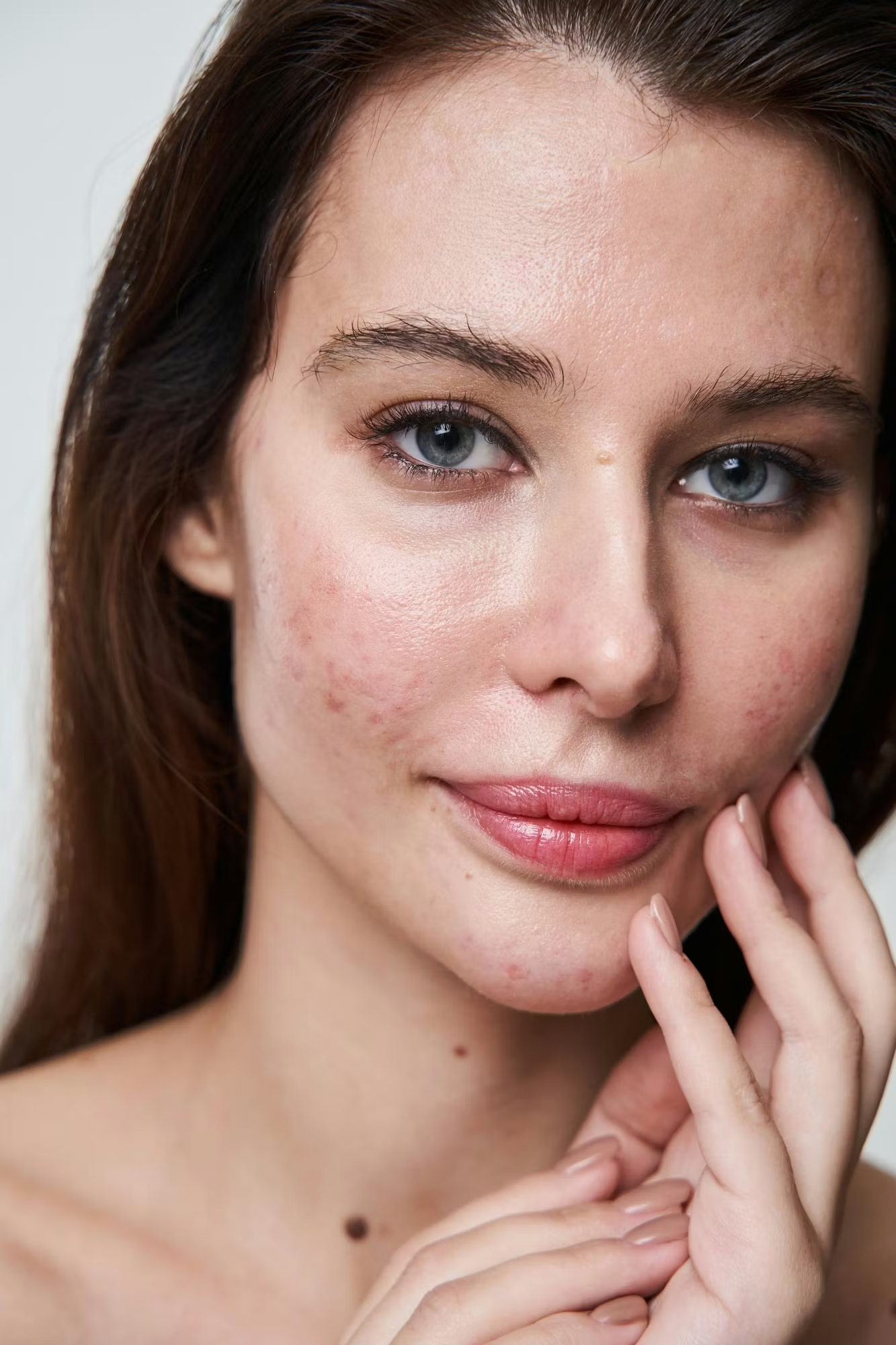
Sebum is a natural part of the skin's protective system. It helps retain moisture, protect the skin barrier, and keep skin soft. But when sebum production becomes imbalanced, skin can feel oily, shiny, or more prone to developing clogged pores and acne.
Many people believe that oily skin is caused by not washing your face enough. In fact, sebum production is mainly regulated by biological factors that we cannot control.
The main regulation is through the body's androgens, including testosterone. These hormones stimulate the sebaceous glands to produce more sebum.
This is why many people experience increased sebum production during puberty, but also during hormonal changes such as the menstrual cycle, pregnancy or certain hormonal conditions.
The size of the sebaceous glands and how sensitive they are to hormones is largely hereditary, which is why two people with similar hormone levels can still have completely different skin types.
Sebum production changes throughout life.
Children have relatively low sebum production.
During puberty, it increases sharply.
After the age of 40–50, production gradually begins to decline.
After menopause, many women experience dry skin.
Stress not only affects how we feel, but also our skin. Stress hormones can stimulate the sebaceous glands, which is one reason why many people get more pimples or experience oilier skin during stressful periods.
In some people, a diet high in fast carbohydrates or high in dairy products appears to affect hormones and growth factors, which in turn stimulate sebum production. However, the relationship varies between individuals.
Skin care cannot stop the sebaceous glands from functioning, but the right products can help the skin find better balance.
Ingredients like niacinamide, retinoids, azelaic acid, and salicylic acid can help make the skin feel less oily while also reducing the risk of clogged pores.
The most important thing is not to try to dry out the skin with products that are too strong. A dried out skin barrier can instead make the skin more sensitive and unbalanced.
Sebum production is primarily controlled by:
Hormones
Genetics
Age
Stress
Diet (in some people)
The skin's own signaling substances
Oily skin is therefore not a sign of poor cleansing or poor hygiene. However, with the right knowledge and the right skin care, it is possible to help the skin function as balanced as possible.
Are you unsure which products or treatments are right for your skin? At Care of Skin, we help you find a routine that is based on your skin's needs – not just its symptoms.