
 Svenska
Cart
Your cart is empty, but doesn't have to be..
Your cart is empty, but doesn't have to be..
Care Of Skin |19/04, 2024
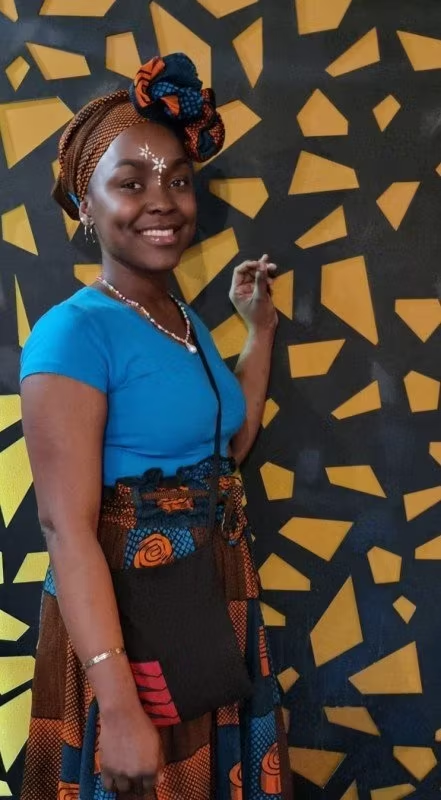
April is "Rosacea awareness month" and highlights a skin condition that many people live with.
Rosacea has primarily been linked to fair skin where you can clearly see red rashes, superficial vessels and experience a feeling of warmth in the skin.
However, it has become more common for dark skin to also develop rosacea, although it is more difficult to detect because the symptoms are not as obvious. As with many skin conditions, it can affect self-esteem, self-confidence and quality of life.
So what is rosacea?
It is a chronic skin condition characterized by redness, inflammation, and superficial vessels. The severity varies from mild redness to very thickened and irritated skin with inflammation around the forehead, nose, chin, and can also affect the eyes.
What are the causes?
The exact cause of rosacea is not known, but factors such as genetics, stress, hormones, environment, and the skin microbiome are contributing factors.
There are many factors that can worsen the condition of the skin. For example, alcohol, hot/cold weather conditions, hot drinks, spicy food, the sun, excessive washing, incorrect skin care products in relation to your skin type, etc.
Signs of rosacea on dark skin tones
- face feels warm
- stinging/burning sensation
- the face often appears flushed
- unidentified discolorations
- the skin on the forehead, nose, cheeks has become rougher
- depending on skin color, you may see dilated blood vessels
- it may feel like you have something in your eyes
- you have noticed that the feeling of heat comes after you have, for example, eaten spicy food, been stressed, etc.
What skin care and treatments are available for rosacea?
Skin care: your skin care products should be gentle, also avoid harsh cleansing brushes, perfumed products and do not use too hot water on your face. If you are unsure about which products to use, you can contact your skin therapist who can help you along the way. If the problems are severe or if you have had them for a long time, contact a dermatologist.
Treatment: light therapy, laser, some special treatments, e.g. Oxygen from Circadia.
Since rosacea is not as well known on darker skin types, it is important that you document your symptoms. Take photos of your face and keep a diary of your symptoms. This will make it easier to contact a dermatologist.
Please contact us at the salon and book a skin analysis so we can help you further.